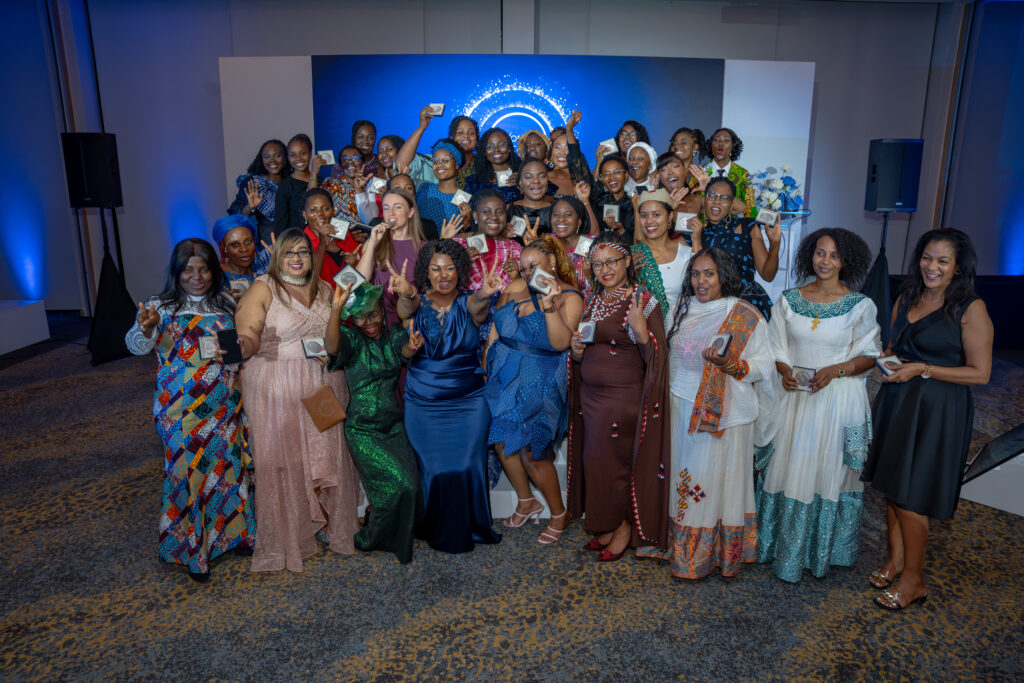
Across Sub-Saharan Africa, a quiet revolution is unfolding inside laboratories, research institutes, and field stations and it is being led by women. At the 2026 L’Oréal-UNESCO For Women in Science Sub-Saharan Africa Young Talents Awards, 38 remarkable researchers 30 doctoral candidates and eight postdoctoral fellows have been honoured for pioneering work that directly answers the continent’s most pressing challenges.
Selected from a fiercely competitive pool of over 1,000 applicants, this year’s cohort spans countries including Nigeria, Botswana, Tanzania, Guinea, Cameroon, and South Africa. Working across health, clean energy, water security, sustainable agriculture, and emerging technology, these women are proving that world-class innovation is not merely reaching Africa it is being engineered right here.
Innovation Rooted in Real-World Impact
What sets this year’s honourees apart is the unmistakable practicality and elegance of their science. Rather than treating innovation as an abstract pursuit, their projects turn local resources and cutting-edge tools into tangible solutions for everyday life:
Clean Water & Circular Energy: Researchers are developing low-cost water filtration systems crafted from clay and cassava peel, alongside batteries and supercapacitors engineered from agricultural waste.
Next-Generation Healthcare & Diagnostics: Several awardees are harnessing artificial intelligence to improve disease diagnosis in both humans and crops, monitoring tuberculosis trends through wastewater surveillance, and exploring indigenous medicinal plants to combat drug-resistant bacteria.
Closing the Global Genomic Gap: Nigerian researcher Chisom Soremekun is analysing genomic data from more than 180,000 individuals to pinpoint genetic variants linked to type 2 diabetes in African populations. Because African communities remain starkly underrepresented in global genetic datasets, her work lays vital groundwork for precision medicine tailored to African genetic profiles.
Changing the Face of STEM
While the achievements of these 38 women signal undeniable momentum, their recognition also highlights the structural barriers women in science continue to navigate. According to UNESCO’s 2025 report, Status and Trends of Women in Science: New Insights and Sectoral Perspectives, women represent roughly one in three researchers globally and 35% of STEM graduates. In Sub-Saharan Africa, women account for 33.6% of researchers (based on 2022 data), though representation varies widely across borders—from 47.6% in South Africa (2022) and 30.6% in Nigeria (2019), to 26.1% in Ghana (2015) and 9.8% in Guinea (2013).
Beyond representation, workplace culture remains a critical frontier. An Ipsos study commissioned by Fondation L’Oréal across 117 countries revealed that 81% of women scientists have personally encountered sexism during their careers, while 49% have experienced sexual harassment.
Investing in Visibility and Leadership
To ensure these trailblazers have both the capital and the platform to scale their work, doctoral awardees receive a €10,000 research grant and postdoctoral fellows receive €15,000. Beyond funding, recipients gain targeted training in leadership, science communication, and career development—equipping them to command global stages as readily as they command their labs.
As Michelle Gololo, Corporate Affairs & Engagement Lead at L’Oréal Sub-Saharan Africa, noted, true progress requires sustained spotlighting:
“Visibility is part of the answer. When African women’s research is seen, funded and cited, it changes who gets to lead and who believes they can. Our responsibility is to sustain that visibility beyond this ceremony, so these 38 women and the young women who follow them can shape the future of science.”
Since its launch in 1998, the partnership between Fondation L’Oréal and UNESCO has supported more than 5,000 researchers across over 140 countries. With the 2026 Sub-Saharan African cohort stepping forward, one truth is unmistakable: when African women are given the resources to lead, the future of global science becomes brighter, fairer, and infinitely more resilient.