
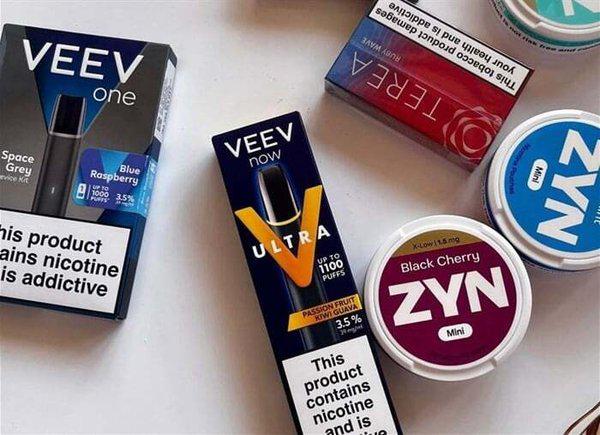
There is a quiet revolution happening in the global lifestyle space, and it’s centered around how we define modern well-being. Today’s sophisticated consumer doesn’t just blindly follow old habits; they interrogate them. They look for smarter alternatives, rely on scientific innovation, and demand products that align with a conscious, harm-reduction lifestyle.
Yet, as South Africa intensely debates its new tobacco control legislation, a massive disconnect has emerged between rigid policy and the lived reality of the country’s estimated 9.7 million adult smokers.
New data from independent research firm Povaddo reveals a striking cultural shift: eight in ten adult smokers in South Africa are now actively backing risk-based regulation. The sentiment on the ground is clear,the future isn’t about outdated bans; it’s about access to innovation, accurate information, and smoke-free alternatives.
The Combustion Conundrum: Science vs. Misconception
For decades, the narrative around smoking has been monolithic. But modern wellness spaces understand nuance. The core problem with traditional cigarettes isn’t actually the nicotine while addictive, nicotine is not the primary cause of smoking-related diseases. The real culprit is combustion.
When tobacco burns, it creates a cloud of toxic smoke containing over 6,000 chemicals. Smoke-free alternatives like heated tobacco, e-cigarettes, and nicotine pouches eliminate the burning process entirely.
However, the Povaddo study highlights a frustrating awareness gap in South Africa, largely driven by a lack of accessible information. An astonishing 65% of local smokers are unfamiliar with heated tobacco products, and 70% know very little about nicotine pouches. Without accurate, science-based insights, millions of adults are left in the dark, unable to make informed transitions to better alternatives.
The Ripple Effect of Strict Policy
According to the research, a staggering 71% of smokers intend to keep smoking under the current rigid regulatory environment. However, if the government shifts to a progressive framework where smoke-free products are regulated differently than cigarettes, the number of adults willing to switch would more than double potentially guiding 3.3 million South Africans away from cigarettes.
Accessibility is the New Luxury
Transitioning to a smoke-free life shouldn’t feel like an uphill battle. The modern consumer expects convenience, affordability, and transparency. The survey notes that more than 80% of South African smokers state that accessibility is non-negotiable. They are looking for distinct shifts in the market:
- Affordability: 82% believe smoke-free alternatives should be priced more competitively than traditional cigarettes.
- Visibility: 82% want these products readily available in everyday lifestyle spaces and stores.
- Education: 80% demand clear product and risk-reduction information right at the point of sale.
There is also a collective anxiety about the unintended consequences of overly restrictive laws. Three-quarters of the respondents warned that heavy-handed bans won’t stop people; they will simply drive consumers toward the shadowy, unregulated illicit tobacco market.
A Modern Roadmap Forward
International markets like Japan have already proven that when a government embraces an enabling, risk-based framework, cigarette consumption plummets at an unprecedented pace.
South Africa stands at a fascinating crossroads. We have an opportunity to move past archaic, one-size-fits-all legislation and adopt a sophisticated, evidence-based framework. True progress balances strong protections for non-smokers with a realistic, respectful pathway for adult smokers who want to make better choices.
In a world driven by innovation, our policies should be just as forward-thinking as the lives we choose to lead.


